

Trauma has a way of staying with you long after the event is over — surfacing in nightmares, intrusive thoughts, emotional reactions that feel out of proportion, or a constant sense of dread you cannot quite explain. If this resonates, you are not broken. Your brain is doing exactly what it was designed to do: protect you. But sometimes that protection gets stuck. Working with an EMDR therapist in Yuba City at Everyday Counts Therapy Services can help your brain finally process what it has been holding onto — so you can move forward with clarity, calm, and confidence.
What Is EMDR Therapy?

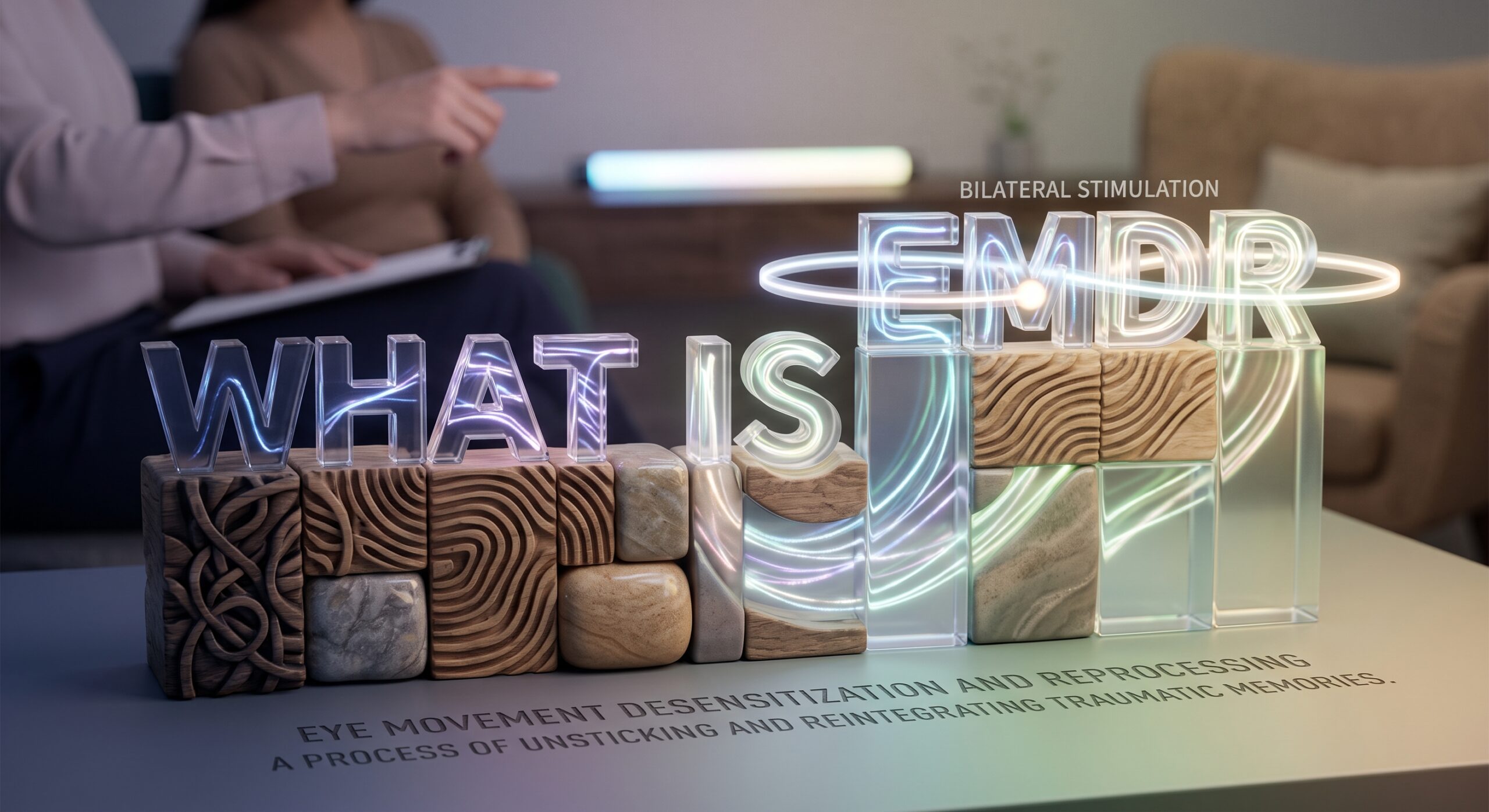
EMDR stands for Eye Movement Desensitization and Reprocessing. It is an evidence-based, structured therapy developed in the late 1980s by psychologist Dr. Francine Shapiro and now recognized by the World Health Organization, the American Psychological Association, and the U.S. Department of Veterans Affairs as an effective treatment for trauma and PTSD.
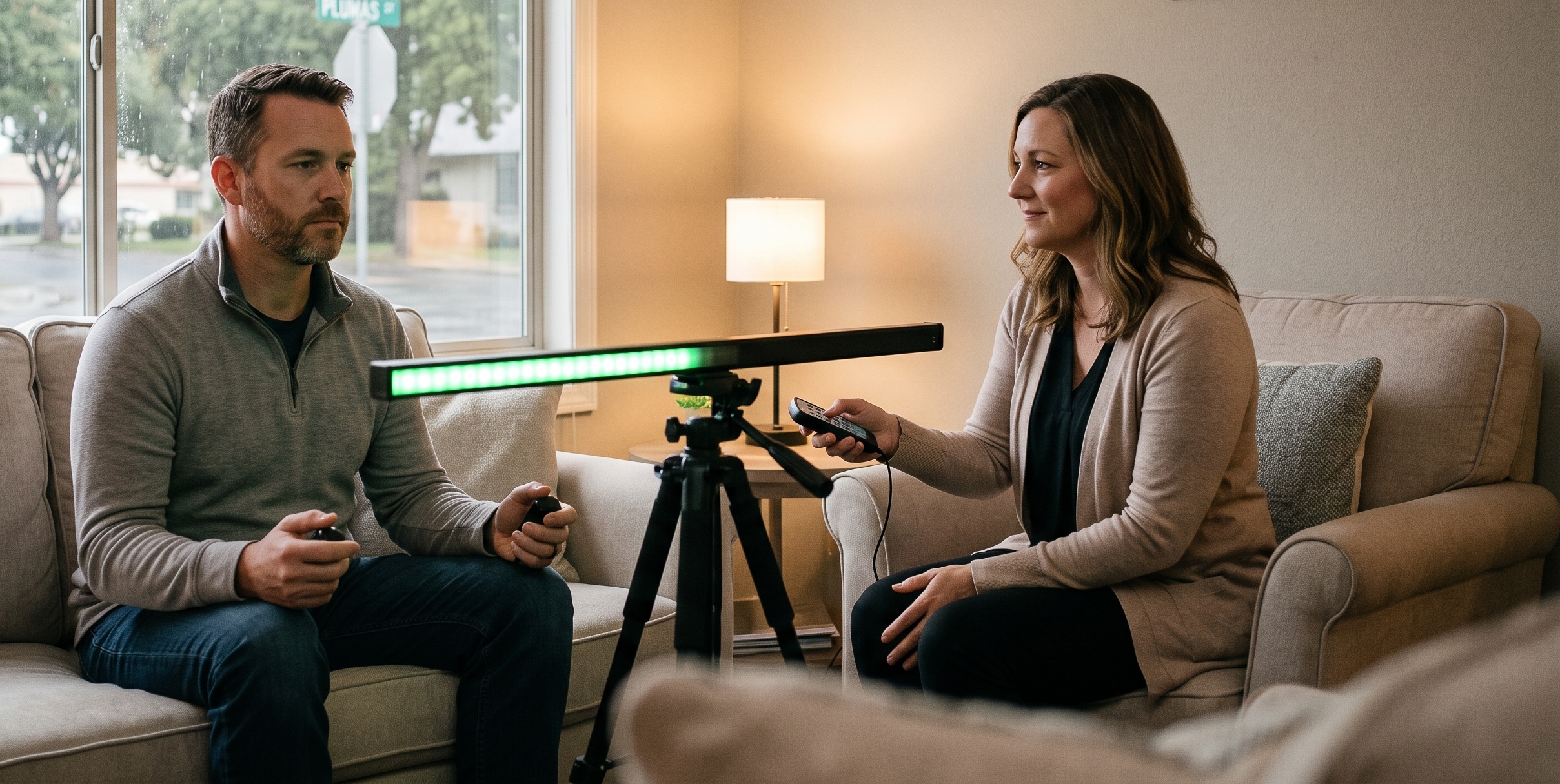
Unlike traditional talk therapy, EMDR does not require you to describe your traumatic experiences in detail or spend months re-examining the past. Instead, it uses a specific set of bilateral stimulation techniques — most commonly guided eye movements, alternating taps, or audio tones — to help your brain reprocess distressing memories so they lose their emotional charge.
The underlying principle is elegant: traumatic memories sometimes get "stuck" in the nervous system in a raw, unprocessed state, causing them to feel as immediate and threatening today as the day they occurred. EMDR helps the brain finish processing those memories, storing them as ordinary past events rather than active threats.
What Conditions Does EMDR Treat?
While EMDR is most well-known as a trauma treatment, research has expanded its applications considerably. At Everyday Counts Therapy Services, your EMDR therapist in Yuba City may recommend EMDR for:
- PTSD and Complex PTSD (C-PTSD) — single-incident trauma and prolonged, repeated trauma
- Childhood abuse and neglect — including emotional, physical, and sexual abuse
- Anxiety and panic disorders — especially when rooted in specific triggering memories
- Depression linked to unresolved loss or traumatic experiences
- Grief and complicated bereavement
- Phobias with identifiable origin events
- Dissociation and feelings of disconnection from self or reality
- Performance anxiety tied to past failures or criticism
- Low self-esteem and negative core beliefs developed in response to difficult experiences
If you are unsure whether EMDR is right for you, explore the Therapy FAQ or reach out to our team — we are happy to talk through your situation and recommend the best approach.
The 8 Phases of EMDR: What Happens in a Session?

EMDR is a structured therapy with a clear, well-defined protocol. Your Yuba City EMDR therapist at Everyday Counts will guide you through eight phases, each with a specific purpose:
- History Taking & Treatment Planning — Your therapist gets to know your history, identifies the memories or experiences contributing to your current distress, and maps out a personalized treatment plan.
- Preparation — Before any processing begins, your therapist teaches you calming and grounding techniques so you feel safe and in control throughout the process. You will never be pushed further than you are ready to go.
- Assessment — You and your therapist identify a specific target memory, along with the negative belief associated with it (e.g., "I am not safe") and the positive belief you want to move toward (e.g., "I am safe now").
- Desensitization — Using bilateral stimulation (guided eye movements, tapping, or audio tones), your therapist helps your brain process the target memory. Distress levels are measured throughout and processing continues until they reduce significantly.
- Installation — The positive belief you identified is strengthened and linked to the memory, replacing the old negative association.
- Body Scan — You scan your body for any lingering tension or discomfort, which is then processed with additional bilateral stimulation if needed.
- Closure — Each session ends with grounding and stabilization exercises, ensuring you leave feeling settled and resourced — not raw or overwhelmed.
- Reevaluation — At the start of subsequent sessions, your therapist checks in to see how you have been since the last session and determines whether additional processing of the same memory is needed.
In-Person and Virtual EMDR in Yuba City
One of the most common questions people have is whether EMDR can be done virtually. The answer is yes — and Everyday Counts Therapy Services offers both in-person and online EMDR sessions to fit your life and comfort level.
Virtual EMDR uses the same protocol as in-person sessions. Your therapist will guide bilateral stimulation through your screen — using visual cues you follow with your eyes, or self-administered tactile tapping that your therapist coaches you through. Research supports the effectiveness of remote EMDR delivery, and many clients find the comfort of their own home actually enhances their sense of safety during processing.
Whether you prefer to come into one of the two Yuba City office locations or join from your living room in Marysville, Olivehurst, or Live Oak — Everyday Counts makes access to a skilled EMDR therapist straightforward and flexible.
Common Questions About EMDR Therapy
How EMDR Connects to Other Services at Everyday Counts
EMDR is one powerful tool within a broader continuum of care at Everyday Counts Therapy Services. Depending on your needs, your therapist may integrate EMDR with:
- Individual Therapy — providing an ongoing therapeutic relationship within which EMDR processing takes place
- Abuse & Trauma Therapy — specialized support for those healing from abuse, domestic violence, or childhood trauma
- Complex PTSD Treatment — for those who have experienced prolonged or repeated trauma over months or years
- Depression Therapy — addressing the trauma roots that often underlie chronic depression
No matter where you are starting from, your therapist will build a plan that makes sense for your unique history and goals.
Taking the First Step Toward Healing in Yuba City
Deciding to work with an EMDR therapist is not an admission that something is wrong with you. It is a declaration that you are ready to stop carrying something alone that was never meant to be carried alone in the first place. Trauma is not your fault. And healing — real, lasting healing — is possible.
At Everyday Counts Therapy Services, Kendra Davis (LCSW) and her team have 20 years of experience helping people in Yuba City and the surrounding Sutter-Yuba region reclaim their lives from trauma, anxiety, PTSD, and depression. You do not have to white-knuckle it through any longer. Help is here, and it works.
Ready to connect with an EMDR therapist in Yuba City?
Everyday Counts Therapy Services is currently accepting new clients. In-person and virtual sessions available.
Serving Yuba City and the Greater Sutter County Area
Everyday Counts Therapy Services serves clients from Yuba City, Marysville, Linda, Olivehurst, Live Oak, Gridley, and across the Sutter-Yuba region. Two convenient office locations in Yuba City make in-person care easy to access — and virtual sessions remove geographic barriers entirely.
If you are ready to experience what it feels like when trauma no longer runs your life, reach out today. The first conversation costs nothing and could change everything.
Everyday Counts Therapy Services · 1445 Butte House Road, Suite A & 1007 Live Oak Blvd, Suite B-1 · Yuba City, CA 95993 · (530) 770-1242 · Most insurance accepted · In-person & virtual sessions available.
If you or someone you know is in a life-threatening or urgent situation, please call 911 or the 24-hour Sutter-Yuba Behavioral Health crisis line at 888-923-3800.