

Of all the skills a developing clinician can cultivate, few are as valuable — or as in demand — as expertise in trauma treatment. That's why so many associates and early-career therapists are seeking EMDR training in Yuba City to strengthen their clinical toolkit. EMDR (Eye Movement Desensitization and Reprocessing) is one of the most effective, evidence-based trauma therapies available, and developing skill in it early can shape the entire trajectory of your career. In this guide, we'll look at why EMDR matters, how associates can begin building this expertise, and how to find great clinical supervision that supports your growth as a trauma-informed clinician.
Why EMDR Training in Yuba City Is Worth Pursuing
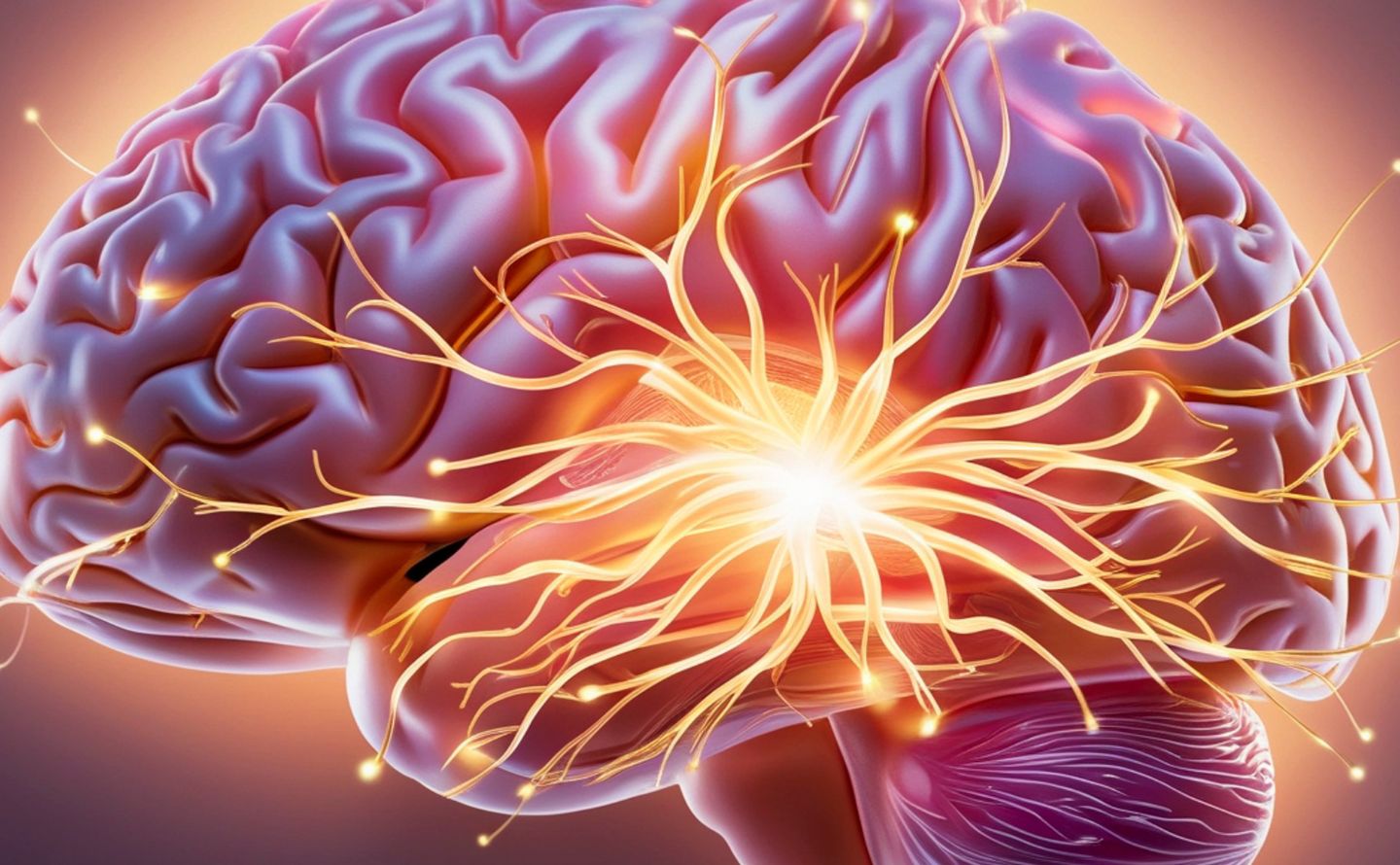
Demand for skilled trauma therapists consistently outpaces supply. Communities across California — including the Yuba-Sutter region — need more clinicians equipped to help people heal from trauma, PTSD, and the anxiety and depression that so often accompany it. EMDR is recognized by leading organizations including the World Health Organization and the American Psychological Association as an effective trauma treatment, and clients increasingly seek it out by name.
For a developing clinician, this creates a meaningful opportunity. Building EMDR expertise during your training years positions you as a trauma-informed practitioner from the very start of your career — making you more effective with clients and more valuable in the marketplace once you're licensed. To understand the modality itself, see our overview of how EMDR therapy works.
What EMDR Training Actually Looks Like
Becoming skilled in EMDR is a layered process that unfolds over time. While the formal EMDR certification pathway involves specific training and consultation requirements set by EMDR governing bodies, associates can begin building the foundation for this expertise during their supervised training years:
An important note: Formal EMDR certification follows a specific pathway established by EMDR governing organizations, separate from your BBS licensure requirements. But the trauma-informed foundation you build during your associateship — under a supervisor who values and understands EMDR — makes the formal certification process far more meaningful when you pursue it. The two paths reinforce each other beautifully.
How Supervision Supports Your EMDR Development
While formal EMDR training happens through dedicated programs, the clinical supervision you receive during your associateship plays a crucial supporting role. A supervisor with trauma expertise helps you understand not just how to apply techniques, but when and why — the clinical judgment that separates mechanical technique from truly effective trauma work.
When you're figuring out how to find clinical supervision that supports your trauma and EMDR goals, look for these qualities:
- Trauma expertise. Prioritize a clinical supervisor whose practice genuinely centers trauma work, not one for whom it's an occasional add-on.
- EMDR familiarity. A supervisor who understands EMDR — even if they're not your formal EMDR consultant — can help you integrate what you learn into real clinical practice.
- Case consultation. Regular, thoughtful review of your trauma cases helps you develop the clinical reasoning that underpins effective EMDR.
- A supportive environment. Trauma work can be emotionally demanding. A supervisor and workplace that support your wellbeing help you sustain this work over the long term.
- Room to grow. Seek supervision that gives you increasing responsibility and appropriate trauma cases as your skills develop, rather than holding you back.
Making EMDR Part of Your Path to Licensure

The most successful early-career clinicians tend to be intentional about their development. Rather than simply accumulating their therapy supervisor hours and hoping expertise emerges, they choose training environments that actively cultivate the specialized skills they want to build. For those drawn to trauma work, that means seeking out supervision and practice settings where EMDR and trauma-informed care are genuinely valued.
By the time you get your therapist's license, you'll have not only met your licensing requirements but also begun building a distinctive clinical identity as a trauma-informed practitioner. That combination — a solid license plus a meaningful specialty — is what sets thriving careers apart. To see how this fits into the broader picture of your associateship, explore our guide to training for associates in Yuba City.
Everyday Counts Therapy Services places trauma and EMDR at the heart of its clinical work. Explore the full range of what our team offers on our services page.
Interested in building your trauma and EMDR expertise in Yuba City?
Everyday Counts Therapy Services is developing a supervision and training program that emphasizes trauma-informed, EMDR-aware clinical development.
Serving Growing Clinicians Across Yuba City and Sutter County
Everyday Counts Therapy Services proudly supports associates and early-career clinicians throughout Yuba City, Marysville, Linda, Olivehurst, Live Oak, and the broader Sutter-Yuba region. If you're passionate about trauma work and want to build EMDR expertise from the ground up, the right training environment makes all the difference.
If you're ready to develop your trauma and EMDR skills in a practice that genuinely values this work, reach out to our team today — and watch for the launch of our Training for Associates program.
Everyday Counts Therapy Services · 1445 Butte House Road, Suite A & 1007 Live Oak Blvd, Suite B-1 · Yuba City, CA 95993 · (530) 770-1242 · Supporting associate therapists across the Yuba-Sutter region.